KTKW Group ·
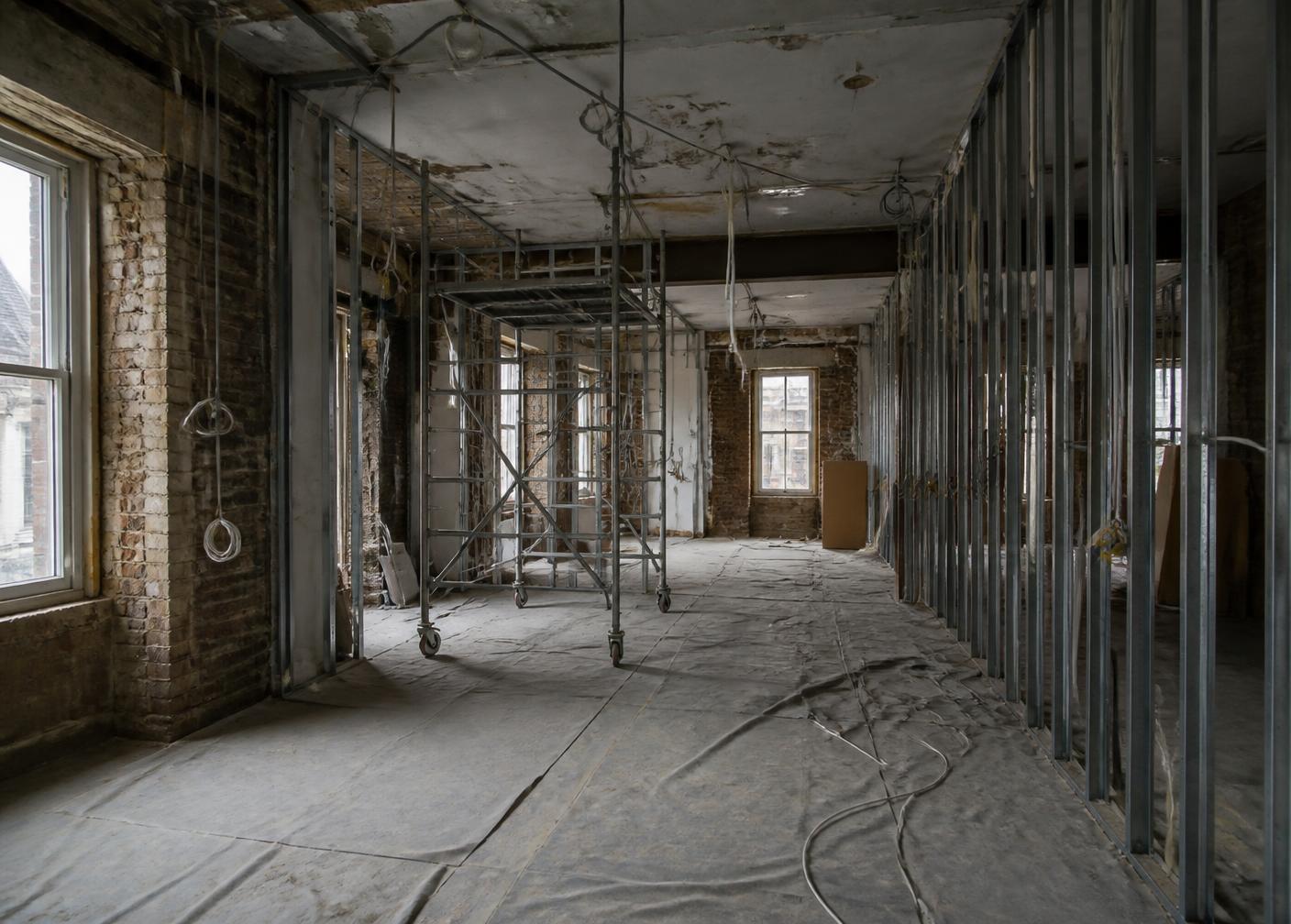
Duration is set by the critical path — the chain of works that cannot run in parallel. Understanding that chain explains why some projects finish quickly and others drift.
The typical sequence
- Strip-out and enabling works
- Structural and building works
- First fix: electrical, plumbing and mechanical
- Plastering and drying-out time
- Second fix: services, kitchens, bathrooms and joinery
- Flooring, tiling and decoration
- Final clean, snagging and handover
What causes delay
- Late decisions on kitchens, tiles, flooring and sanitaryware
- Long-lead items ordered after the programme has started
- Scope changes introduced mid-project
- Unforeseen conditions found after strip-out
- Trades booked reactively rather than sequenced in advance
How management protects the programme
Most of the causes above are avoidable. Procuring long-lead items early, fixing specification before first fix, and booking each contractor against a dated programme keeps the site working instead of waiting.